
Description
What Is a Production Planning Procedure?
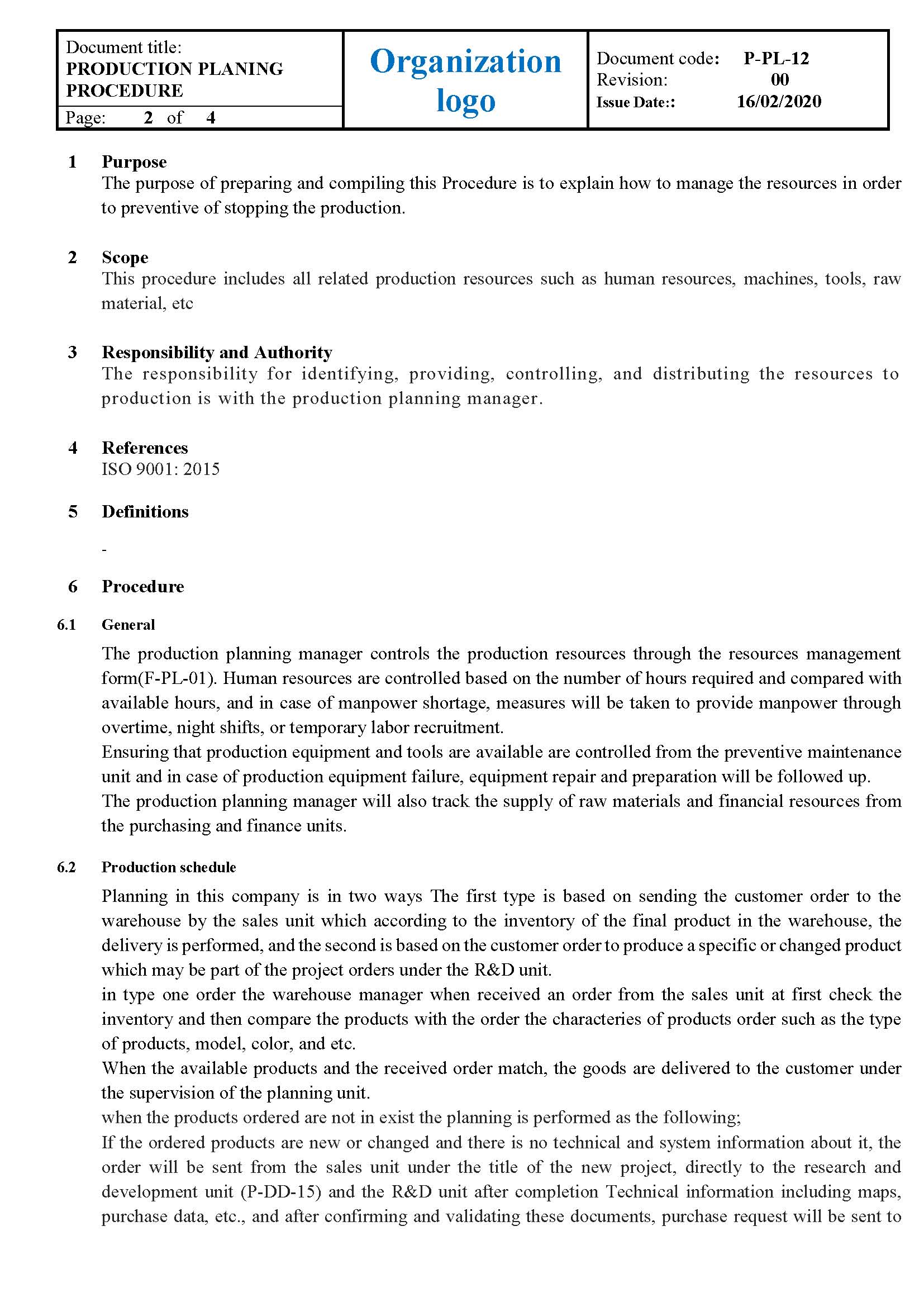
A Production Planning Procedure is a formal, documented method used by an organization to determine what to produce, how much to produce, when to produce, and with which resources in order to meet customer requirements efficiently and consistently. This procedure transforms customer orders, forecasts, and strategic objectives into executable manufacturing plans while ensuring optimal use of materials, equipment, workforce, and time.
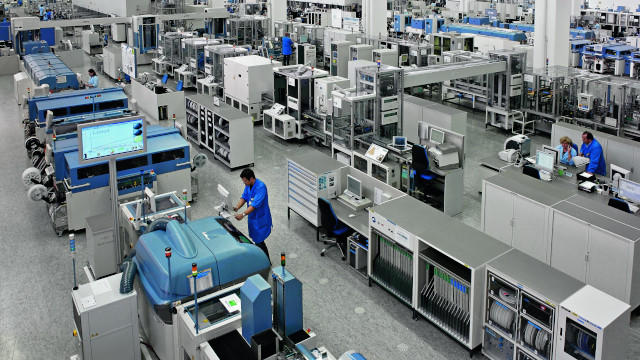
Within a quality management system, the Production Planning Procedure is a controlled process that establishes the sequence of operations, production schedules, resource allocation, capacity balancing, and coordination with procurement, inventory, maintenance, and logistics functions. It ensures that products are manufactured under planned conditions that maintain conformity to specifications, delivery commitments, and cost targets.
Why Organizations Need a Production Planning Procedure
Implementing a structured Production Planning Procedure is essential for organizations seeking operational excellence, regulatory compliance, and sustainable competitiveness.
Key purposes include:
-
Ensuring on-time delivery of customer orders
-
Preventing production bottlenecks and idle capacity
-
Optimizing utilization of machines, manpower, and materials
-
Reducing production costs and waste
-
Maintaining consistent product quality
-
Supporting make-to-order, make-to-stock, or hybrid production models
-
Enhancing responsiveness to demand fluctuations
-
Enabling data-driven decision-making
-
Supporting business continuity in manufacturing operations
Without a formal procedure, production activities may become reactive, uncoordinated, and inefficient, resulting in missed deadlines, excess inventory, quality issues, and customer dissatisfaction.
Scope of the Production Planning Procedure
This procedure typically applies to all stages from receipt of customer requirements or demand forecasts through issuance of production orders and monitoring of production progress. It covers planning for:
-
Finished products
-
Sub-assemblies
-
Components
-
Rework and repair activities
-
Special or urgent orders
Objectives of Production Planning
The primary objectives include:
-
Meeting customer requirements on time and in full
-
Maintaining optimal inventory levels
-
Ensuring efficient use of production resources
-
Minimizing production lead time
-
Supporting continuous improvement initiatives
-
Aligning production output with business strategy
Method for Implementation of the Production Planning Procedure
A robust implementation follows a structured sequence of activities:
1. Demand Identification
Production planning begins with identifying demand through:
-
Customer orders
-
Sales forecasts
-
Contracts or framework agreements
-
Market analysis
-
Historical consumption data
Demand data must be verified for accuracy and feasibility.
2. Review of Product Requirements
Before planning production, the organization confirms:
-
Technical specifications
-
Bill of materials (BOM)
-
Quality requirements
-
Regulatory obligations
-
Special customer requirements
-
Packaging and labeling instructions
Engineering or technical departments may be involved for clarification.
3. Capacity Assessment
Available production capacity is evaluated, including:
-
Machine availability
-
Workforce availability and skills
-
Tooling and fixtures
-
Maintenance schedules
-
Shift patterns
-
Outsourcing options
Capacity analysis prevents overcommitment and production delays.
4. Material Planning
Material requirements are determined based on the production plan:
-
Raw materials
-
Components and subassemblies
-
Consumables
-
Packaging materials
Material availability is checked against inventory levels and procurement lead times. If shortages exist, purchasing actions are initiated.
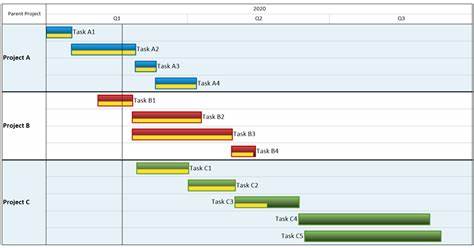
5. Production Scheduling
Detailed schedules are developed specifying:
-
Production sequence
-
Start and completion dates
-
Work center assignments
-
Batch sizes
-
Priority rules
-
Changeover considerations
Scheduling tools may include ERP/MRP systems, finite capacity planning software, or manual scheduling methods.
6. Issuance of Production Orders
Formal production orders or work orders are generated containing:
-
Product identification
-
Quantity to be produced
-
Routing and process steps
-
Required materials
-
Applicable drawings and specifications
-
Quality inspection points
-
Delivery deadlines
Production orders serve as controlled instructions for manufacturing personnel.
7. Coordination with Supporting Functions
Effective planning requires integration with other processes:
-
Procurement for material supply
-
Warehouse for inventory control
-
Maintenance for equipment readiness
-
Quality assurance for inspection planning
-
Logistics for shipping arrangements
-
Human resources for staffing
-
Production Planning Procedure
8. Monitoring and Control of Production Progress
Actual production performance is tracked against the plan through:
-
Shop floor reporting
-
Production dashboards
-
Key performance indicators (KPIs)
-
Daily or weekly review meetings
Corrective actions are initiated if deviations occur.
9. Adjustment and Rescheduling
Plans may be revised due to:
-
Machine breakdowns
-
Material shortages
-
Design changes
-
Urgent customer orders
-
Workforce issues
Controlled rescheduling ensures continuity without disrupting overall operations.
ISO 9001 Clauses Related to Production Planning
The Production Planning Procedure supports compliance with the quality management requirements of ISO 9001, particularly:
-
Clause 8.1 — Operational Planning and Control
Requires planning, implementation, and control of processes needed to meet product requirements. -
Clause 8.2 — Requirements for Products and Services
Ensures customer requirements are clearly determined and reviewed. -
Clause 8.4 — Control of Externally Provided Processes
Relevant when subcontracting or outsourcing production activities. -
Clause 8.5 — Production and Service Provision
Requires controlled conditions for manufacturing operations. -
Clause 7.1 — Resources
Addresses infrastructure, environment, and human resources needed for production. -
Clause 6.1 — Actions to Address Risks and Opportunities
Supports proactive planning to prevent disruptions.
Relationship with Other Organizational Processes
The Production Planning Procedure is a central process that interfaces with multiple functions:
Sales and Customer Service — Provides order information and delivery commitments
Design and Development — Supplies technical data and revisions
Procurement — Ensures material availability
Inventory Management — Controls stock levels
Maintenance — Maintains equipment readiness
Quality Management — Establishes inspection and testing requirements
Logistics and Distribution — Coordinates dispatch and transportation
Finance — Monitors production costs and budgets
Effective integration prevents silos and ensures smooth operational flow.
Related Documents Required for Implementation
A comprehensive Production Planning Procedure is typically supported by controlled documents such as:
-
Sales forecast reports
-
Customer orders and contracts
-
Master production schedule (MPS)
-
Material requirements planning (MRP) outputs
-
Bill of materials (BOM)
-
Routing sheets
-
Capacity planning records
-
Production schedules
-
Work orders / job cards
-
Inventory reports
-
Procurement plans
-
Maintenance schedules
-
Quality inspection plans
-
Nonconformity and corrective action records
Records Generated by the Procedure
Implementation generates documented evidence, including:
-
Approved production plans
-
Scheduling records
-
Material allocation reports
-
Production progress reports
-
Downtime logs
-
Change or rescheduling approvals
-
Performance metrics
These records demonstrate control and enable traceability.
Benefits of an Effective Production Planning Procedure
Organizations that implement a robust procedure typically achieve:
-
Improved delivery reliability
-
Reduced operational costs
-
Higher productivity
-
Better resource utilization
-
Lower inventory levels
-
Enhanced customer satisfaction
-
Increased organizational agility
-
Stronger compliance with quality standards
Conclusion
A well-defined Production Planning Procedure is a foundational element of manufacturing excellence and quality management. By systematically translating demand into coordinated production activities, organizations can ensure consistent product conformity, efficient operations, and reliable delivery performance while meeting the requirements of modern quality standards and competitive markets.
Reviews
There are no reviews yet.